
Baltic–Nordic Ombuds and Chancellor of Justice Meeting: Multiple Mandates, Prisons, and a Fight for Public Trust
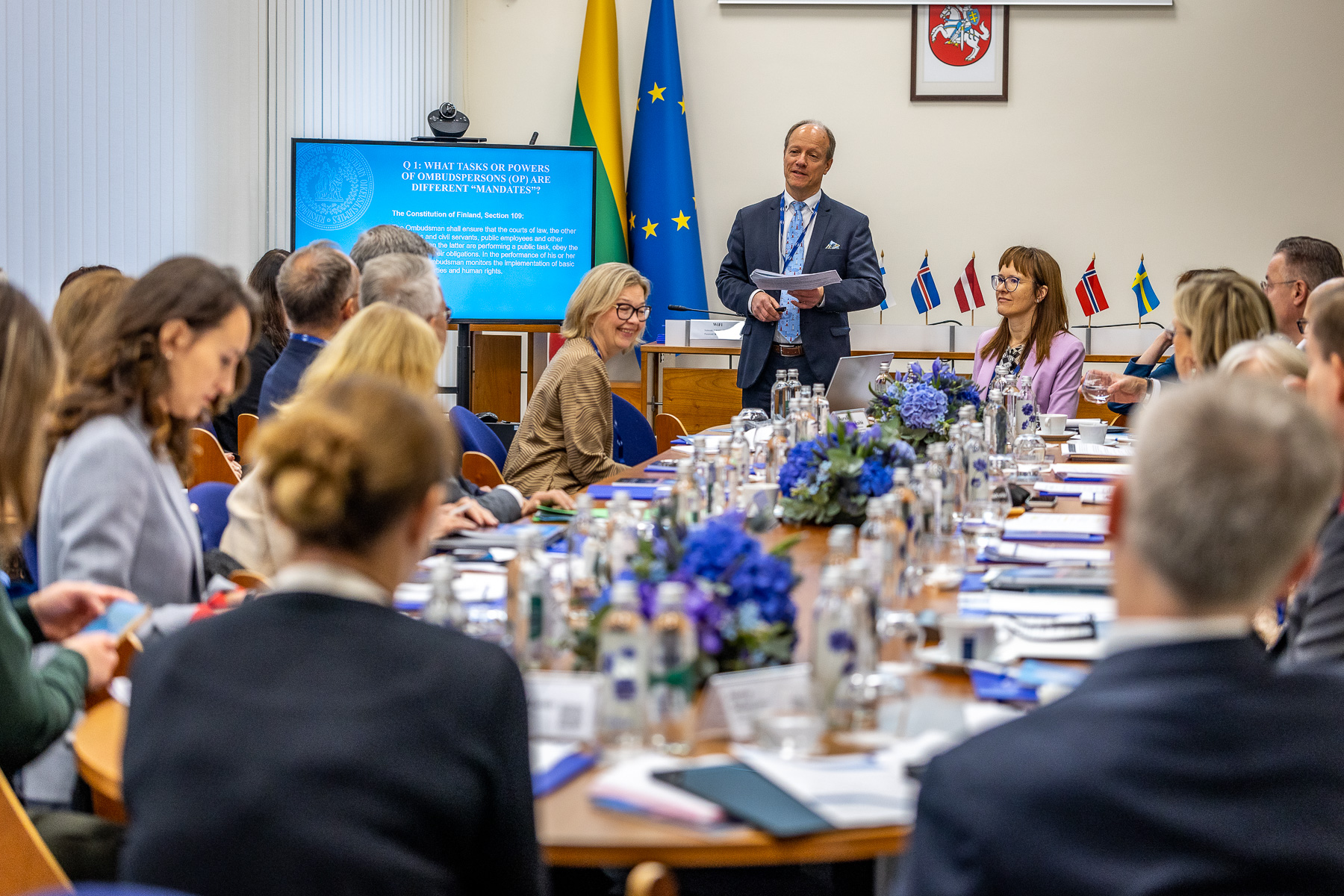
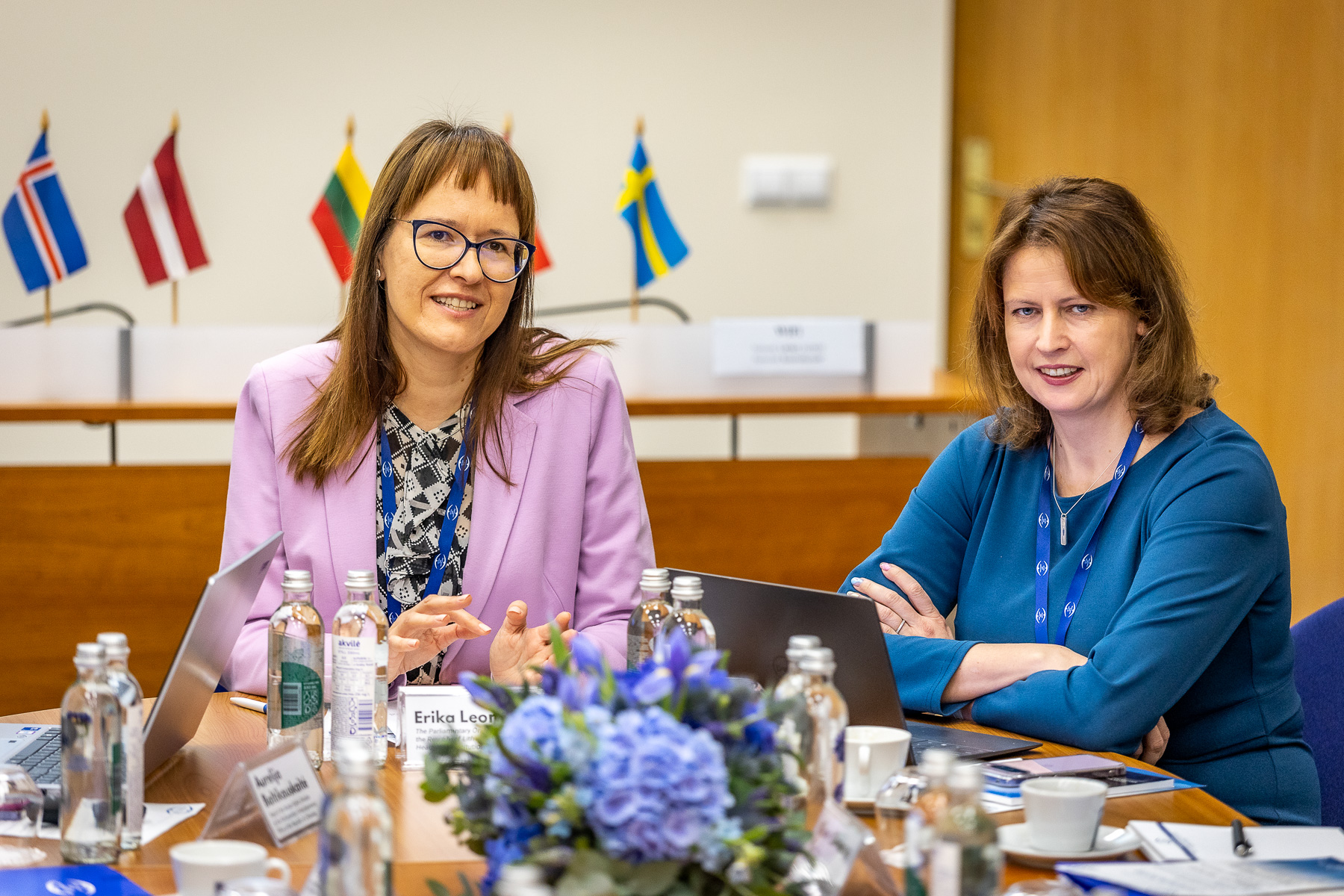
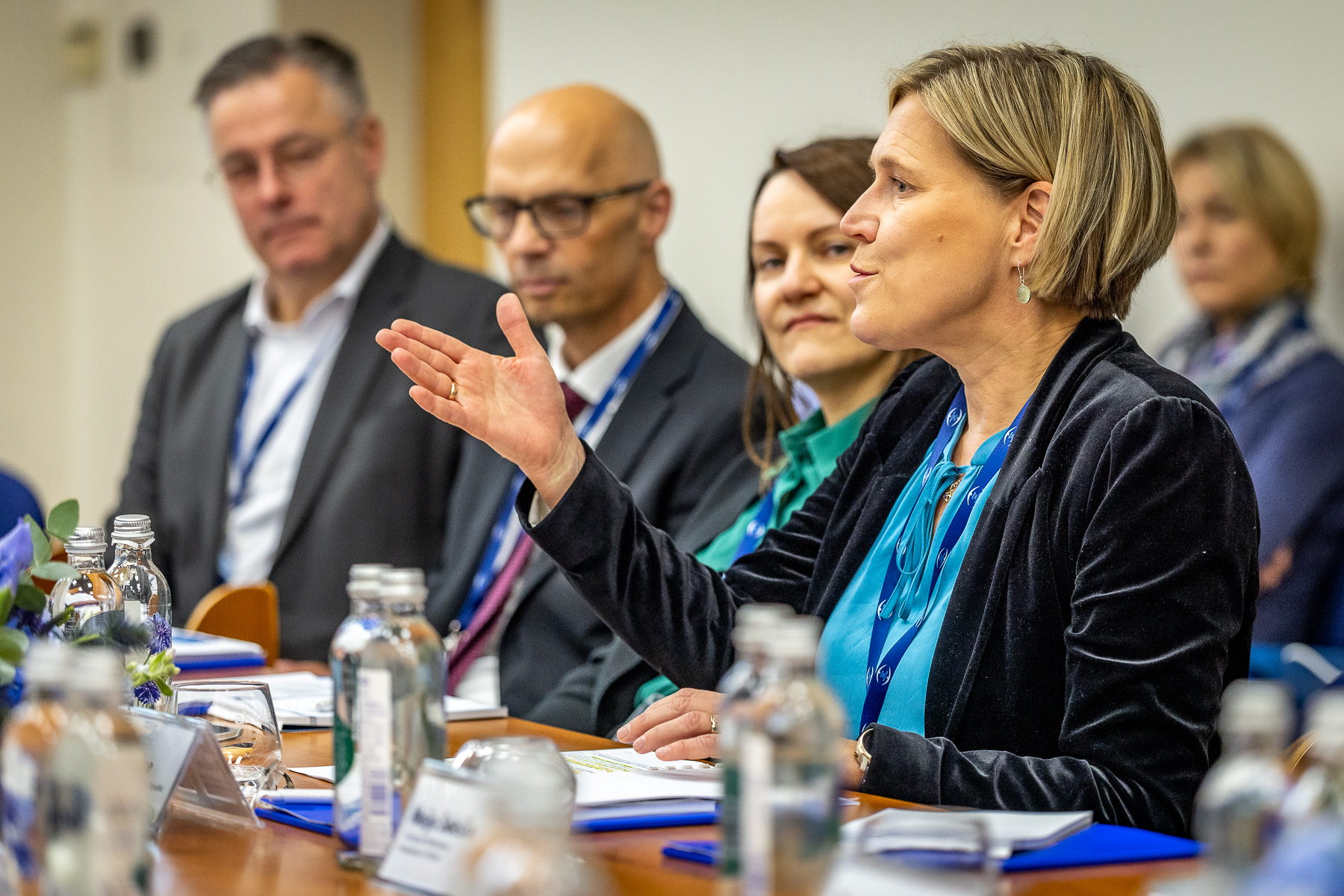
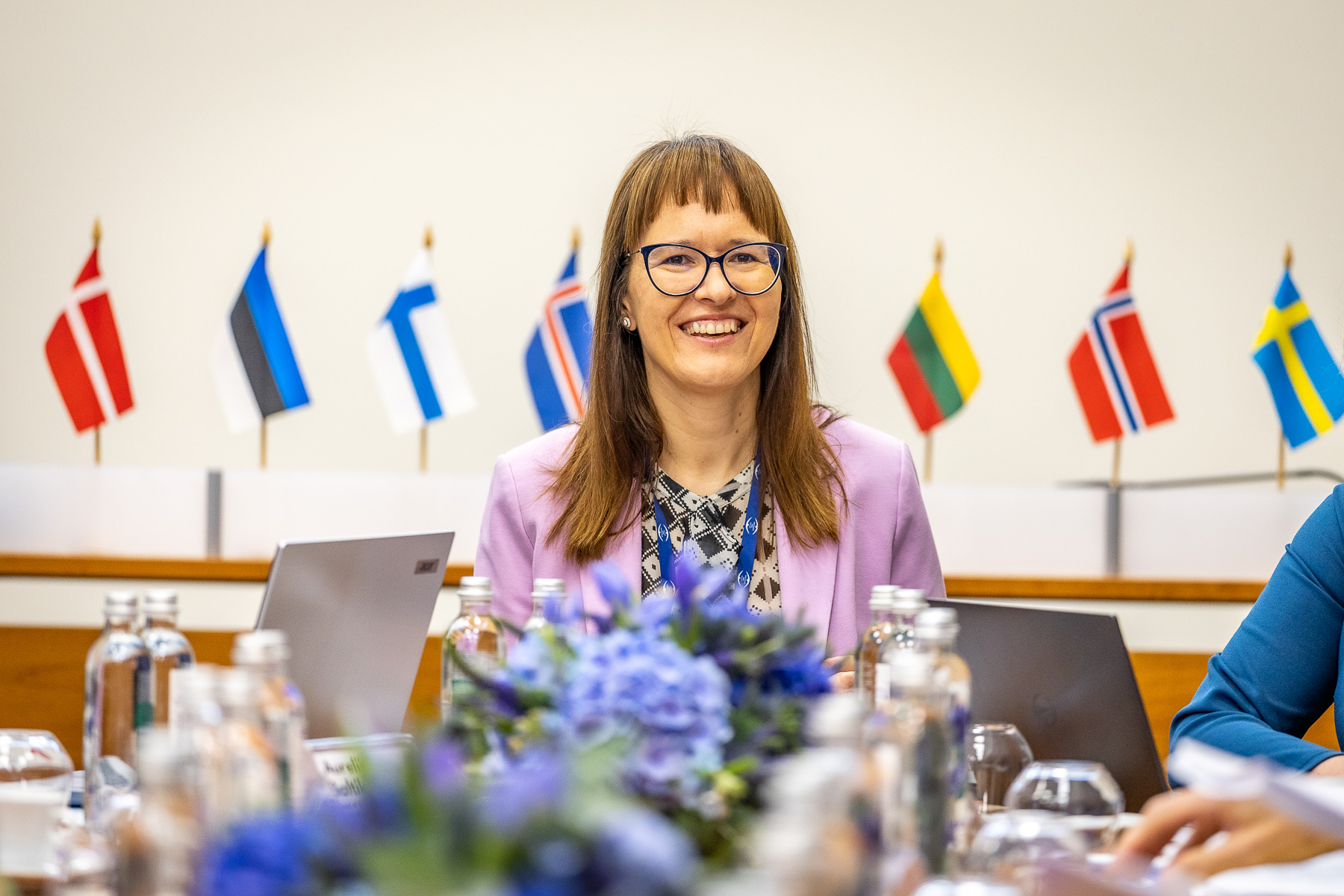
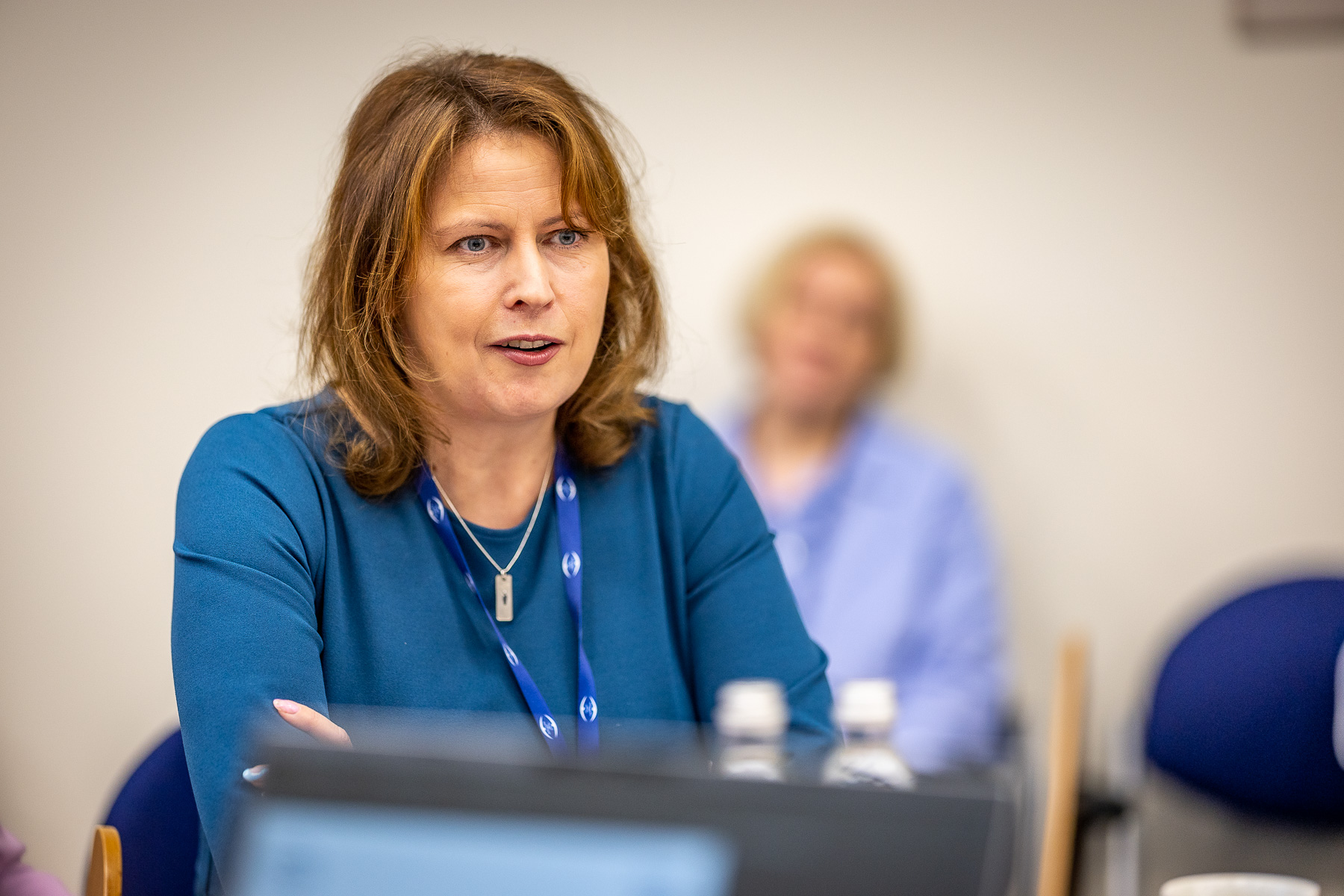
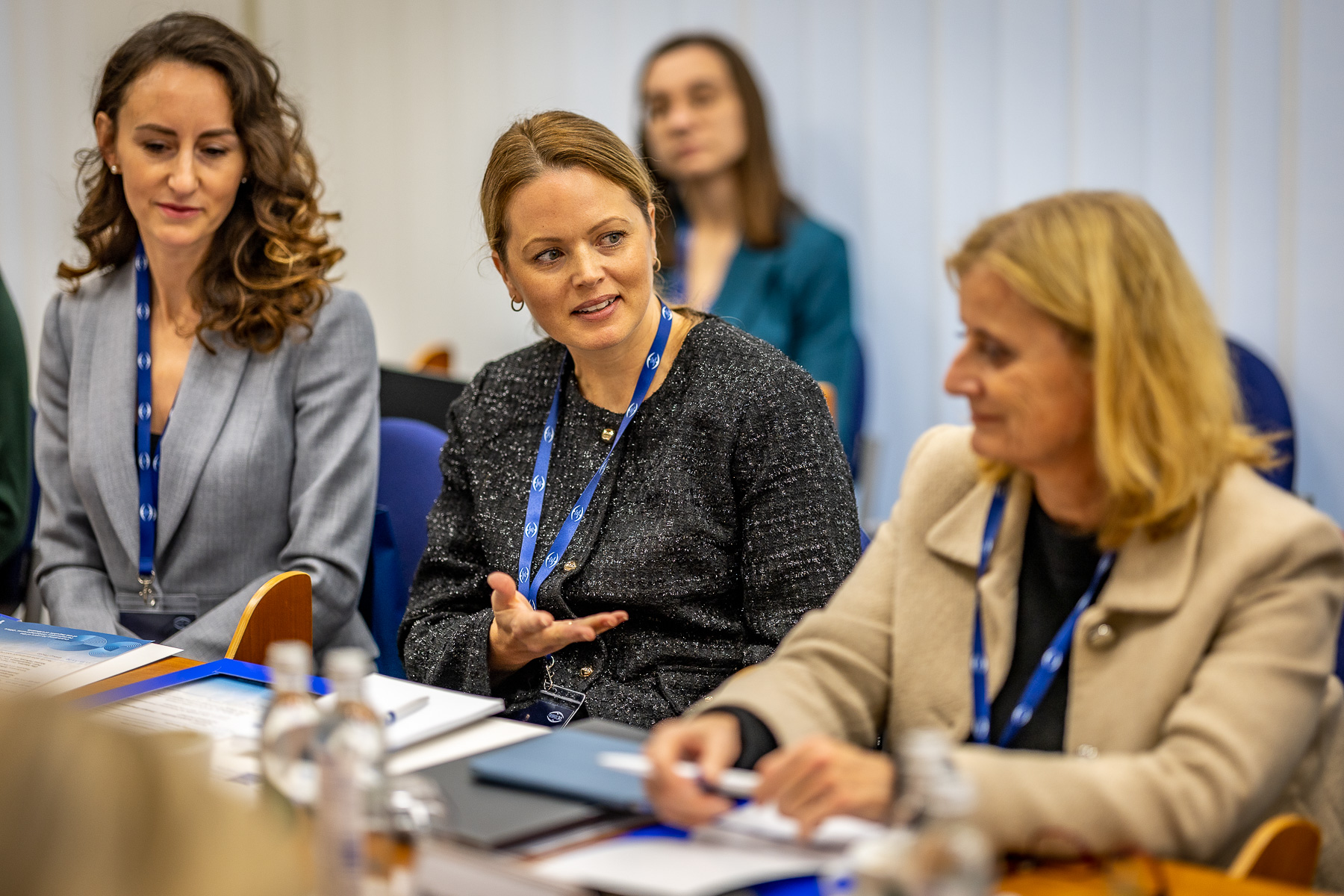
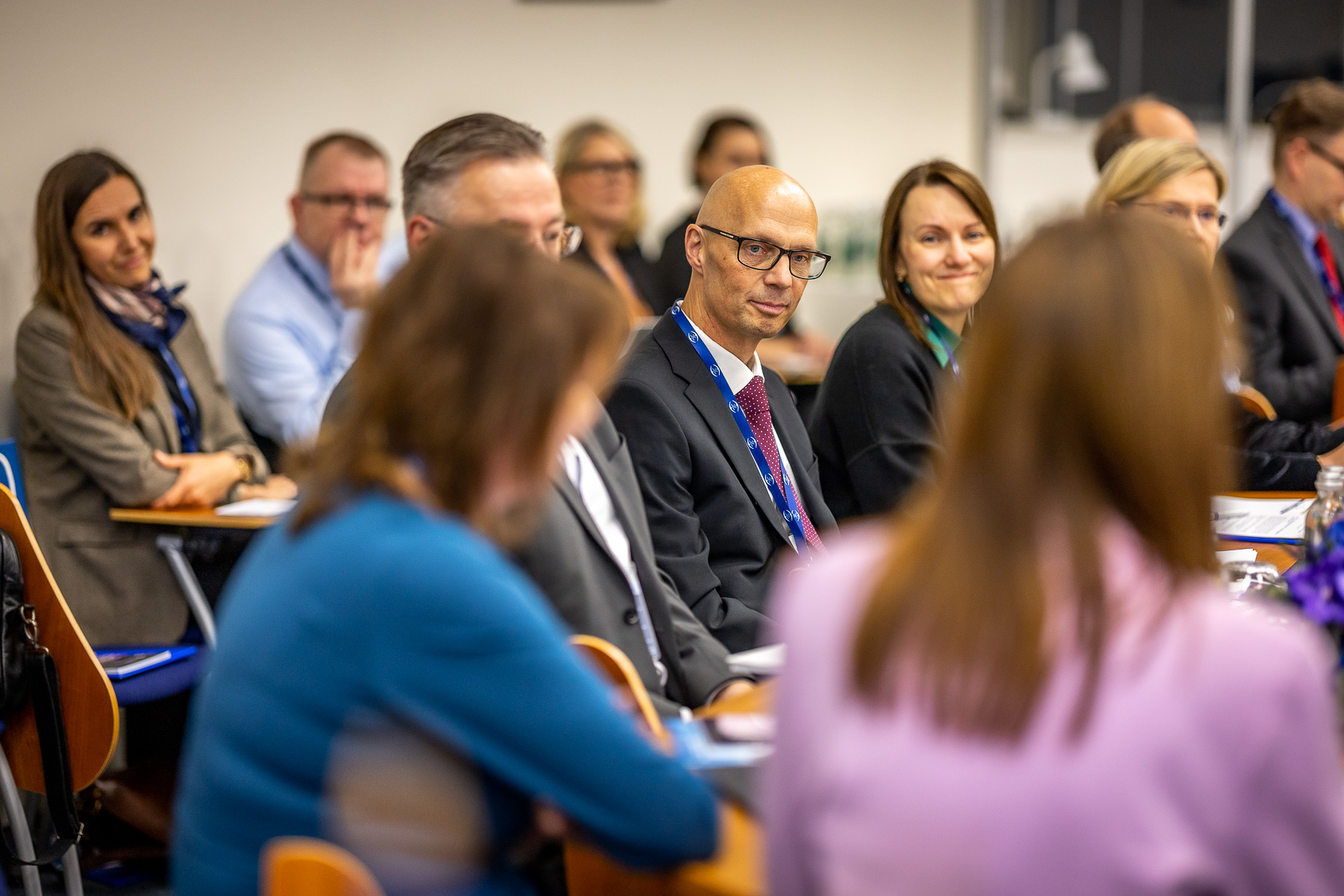
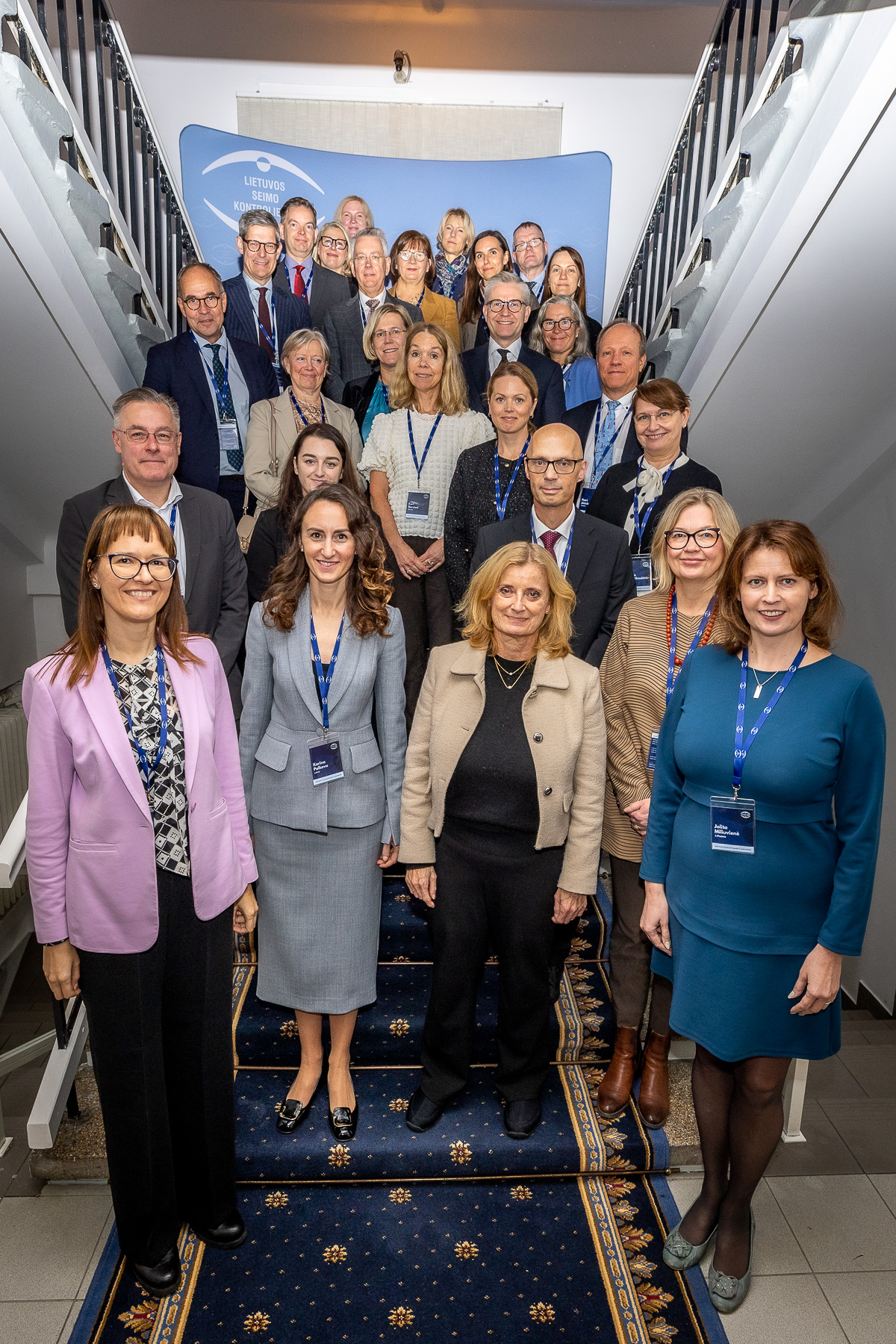
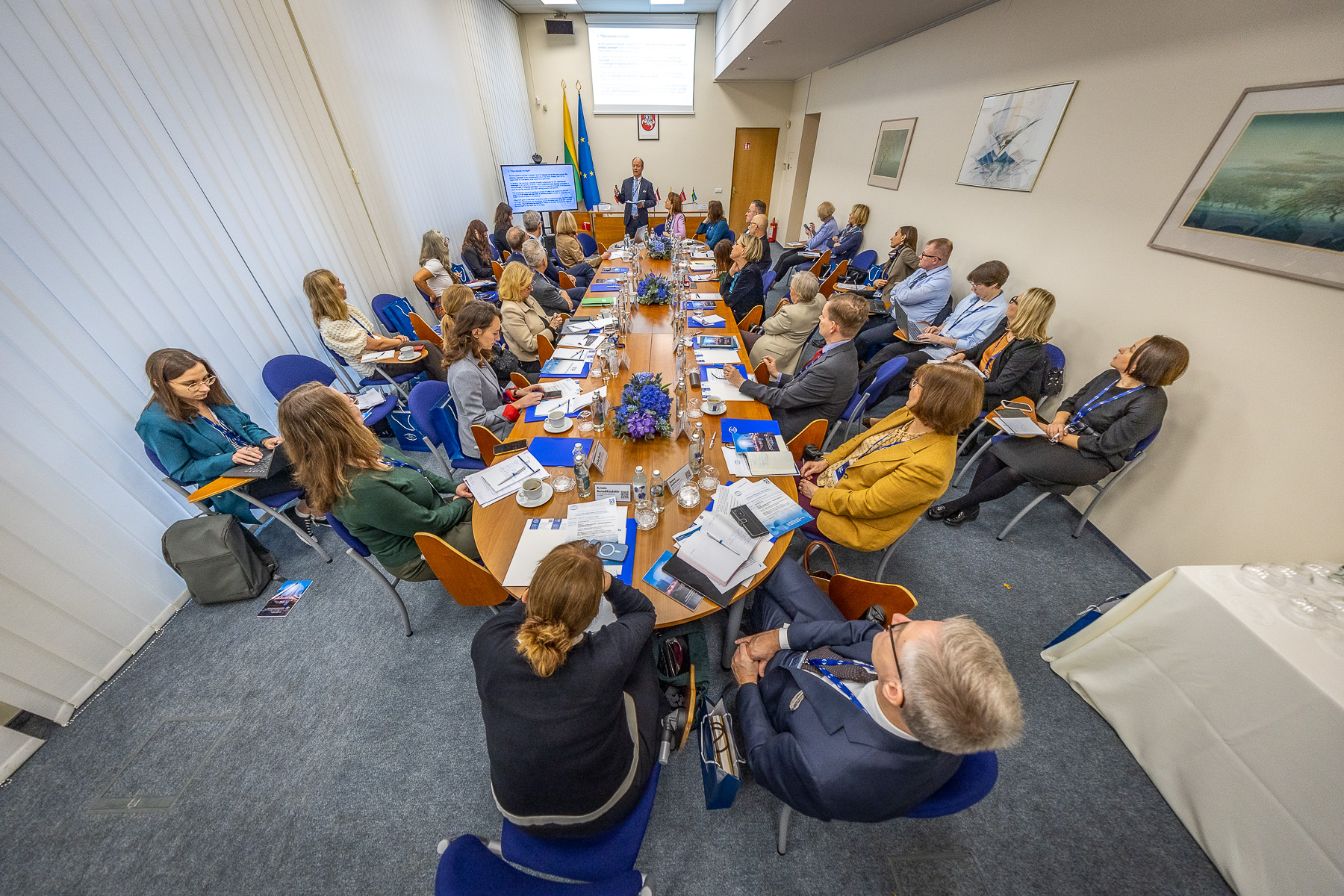
A Baltic–Nordic Ombuds and Chancellor of Justice Meeting was held at the Parliamentary Ombudspersons’ Office of the Republic of Lithuania on 23 October. During the meeting, experiences, best practices, and challenges encountered in carrying out assigned functions were shared. The meeting was attended by Ombudspersons and Chancellors of Justice from Lithuania, Latvia, Estonia, Finland, Sweden, Norway, Iceland, and Denmark, as well as a representative from the European Union Agency for Fundamental Rights.
Challenges in Navigating Multiple Mandates
Participants discussed how ombuds institutions in the Baltic and, in some cases, Scandinavian countries face similar regulatory challenges in their operations. In certain instances, parliaments or governments assign new functions to these institutions without taking into account their independence, as guaranteed by the Paris Principles, or the nature of their activities and objectives. As a result, while attempting to implement requirements arising from international obligations, institutions are sometimes given mandates that are not easily reconcilable. According to participants, new functions and mandates are not always accompanied by corresponding budget allocations. Occasionally, it is suggested that institutions seek additional funds through European Union projects, but this creates an extra administrative burden, leading to uncertainty and additional workload.
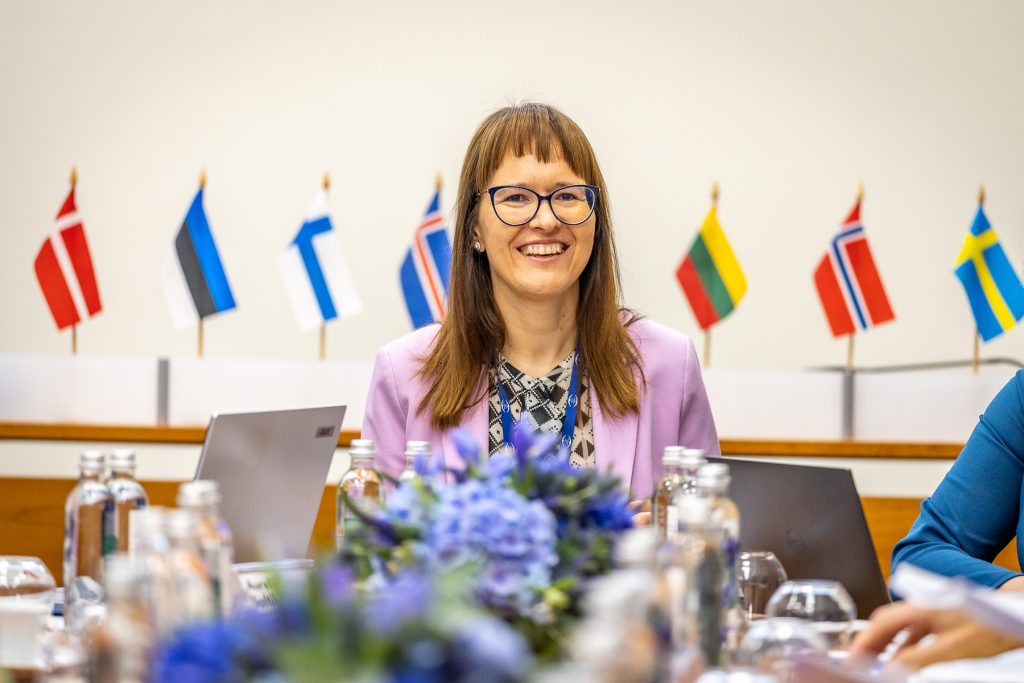
At the same time, participants identified advantages in having multifunctional roles, particularly as many human rights topics overlap across different mandates. According to the Parliamentary Ombudsperson of the Republic of Lithuania and Head of the Institution, Dr. Erika Leonaitė, combining multiple mandates enables the use of various tools to address systemic human rights issues. However, she also noted that this creates challenges in resource allocation, prioritizing among mandates, and aligning them with national, EU, and international legal standards.
For example, a traditional ombudsperson is expected to approach issues arising from the activities of state institutions with neutrality, focusing on complaint examination and procedural fairness. By contrast, National Human Rights Institutions are tasked with taking an active and principled stance on human rights matters, which are often politically sensitive.
Strengthening Public Trust in Ombudspersons
The meeting also addressed the issue of strengthening public trust in ombuds institutions. Participants agreed that the most significant factor in building trust is achieving tangible results. In some cases, it may not be necessary to initiate a formal investigation based on a complaint — a simple recommendation to the relevant institution to examine the issue more closely can be sufficient, as public servants are generally motivated to assist citizens and improve the quality of their services.
It was also noted that when individuals complain about delays in receiving responses from institutions, such delays often result from excessive workloads or other objective circumstances. Nonetheless, ombudspersons unanimously agreed that this cannot justify failing to respond to complainants. In such cases, institutions must be required to explain what steps they have taken to address staff shortages or to secure additional funding. Similar practices are followed by the Parliamentary Ombudspersons’ Office of the Republic of Lithuania.
Participants also shared examples of how unconventional approaches can help resolve citizens’ problems. For instance, staff from the Office of the Chancellor of Justice of Estonia personally tested whether fishermen could comply with new legal requirements. Upon discovering that it was technically impossible, they initiated a change in the law. A similar approach was used to resolve the issue of relocating a bus stop situated in a dangerous area for children.
Regarding assistance to individuals in dealing with state and municipal institutions, the Parliamentary Ombudsperson of the Republic of Lithuania, Dr. Jolita Miliuvienė, presented the practice of mediation, highlighting its advantages and potential. Dr. Miliuvienė shared examples where Parliamentary Ombudspersons, without launching formal investigations, approached institutions in good faith to help resolve issues or provided recommendations to prevent similar problems in the future.
In Prisons – From Poor Conditions to Lack of Space
When discussing human rights challenges in prisons, differences between the Baltic and Nordic countries became evident, even though protecting prisoners’ rights remains a shared concern for all institutions. A significant portion of complaints received annually relates to prison issues.
In Norway, for example, teams conducting unannounced prison inspections include a psychologist, recognizing that prison conditions are closely linked to inmates’ mental health. It was noted that in some Nordic countries, individuals are held in isolation due to inadequate prison infrastructure, even when such conditions were not ordered by the court. This can result in prisoners spending up to 20 hours per day in isolation, without opportunities to socialize, either in person or remotely.
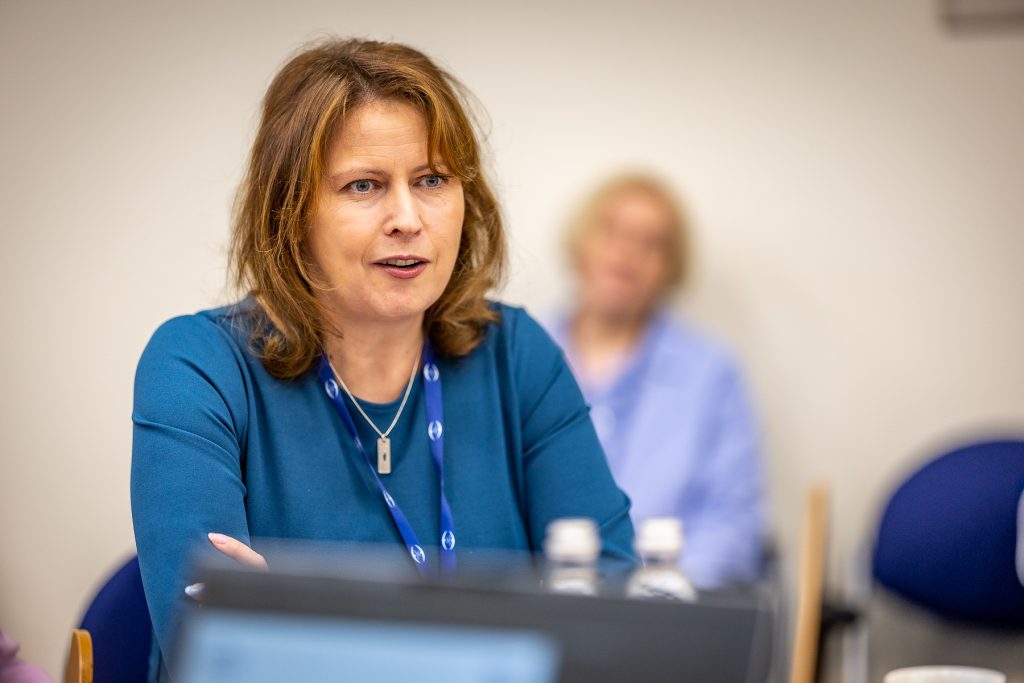
Dr. Leonaitė briefed the participants on the most pressing issues in Lithuanian prisons, including staff shortages, limited rehabilitation activities, entrenched prison subcultures, inadequate healthcare, and living conditions that fall short of basic standards of human dignity.
Representatives from Sweden shared insights about a relatively new practice whereby, due to a lack of prison capacity, they plan to transfer some prisoners to rented facilities in Estonian prisons. Denmark intends to adopt a similar approach, negotiating with Kosovo for the rental of prison spaces, while Norway has previously implemented this model by housing Norwegian prisoners in Dutch prisons.
However, participants raised concerns about the compatibility of such arrangements with constitutional principles and questioned whether ombudspersons could effectively inspect prisons located in other countries, where they lack jurisdiction. The discussion also addressed potential problems arising when transferred prisoners become subject to different legal frameworks and conditions than those applicable in their home countries. Additionally, it was noted that when the renting of prison spaces becomes a commercial activity — with the cost of maintaining a single prisoner reaching up to €8,000 per month — the effectiveness of imprisonment as a tool for social reintegration is undermined.
The annual Baltic–Nordic Ombuds and Chancellor of Justice Meetings are held in different countries each year to promote international cooperation between these institutions, share best practices, and explore potential solutions to common challenges that can be adapted for national contexts.
Other news

17 July 2026
Latest Review Finds That Legal Mechanisms Are Being Exploited to Facilitate Trafficking in Human Beings in Lithuania
Read more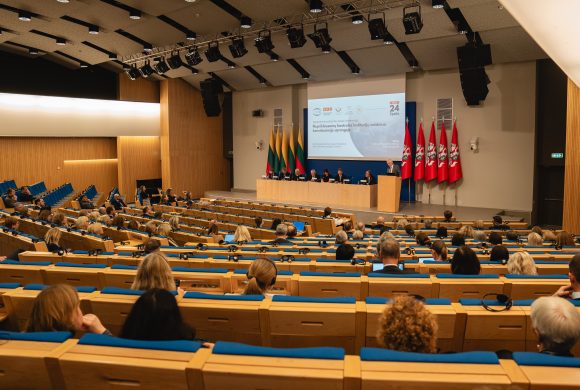
3 November 2025
International Conference “The Role of Independent Oversight Institutions in the Constitutional Framework”
Read more
8 August 2025
New report on the situation regarding countering human trafficking in Lithuania
Read more
12 December 2024
